
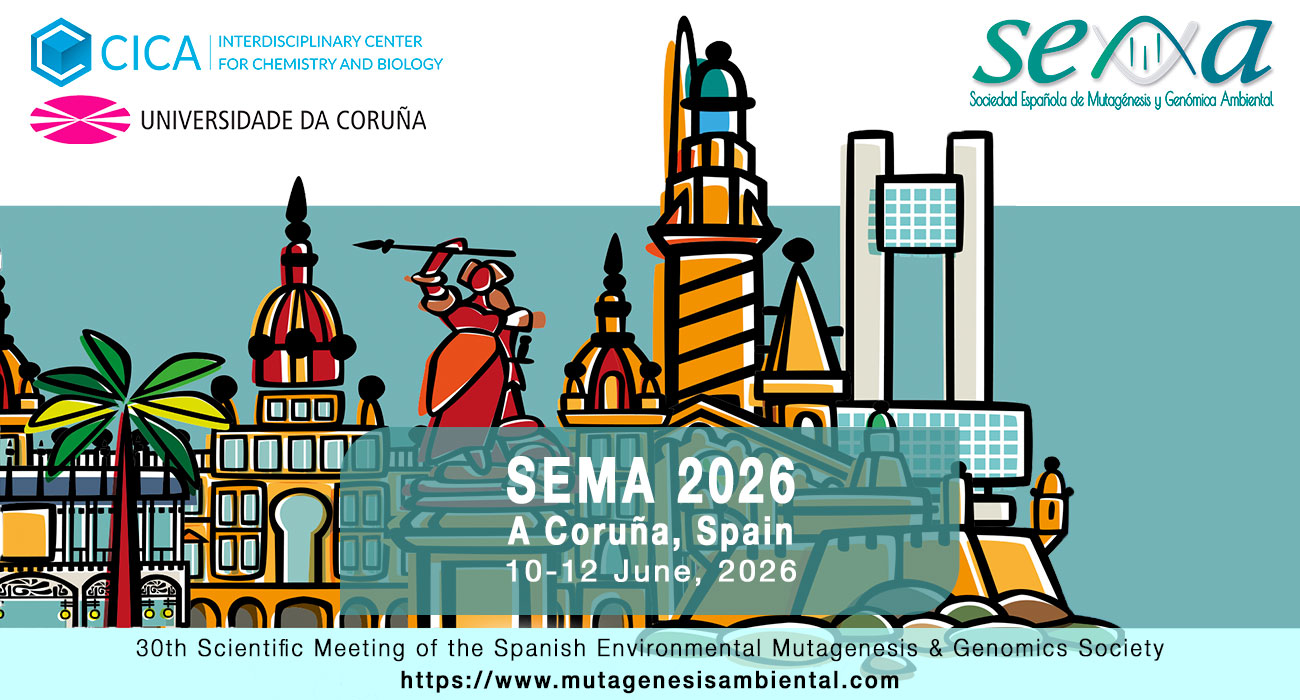
Programme
14:30 – 15:00 Registration
15:00 – 15:15 Opening and welcome
Session 1: Human biomonitoring in clinical, occupational and environmental settings
Moderators: Isabel Gaivão (UTAD) and Irene Barguilla (UAB)
15:15 – 16:00 Keynote speaker: Dr. Joao Paulo Teixeira (National Institute of Health Dr. Ricardo Jorge, Portugal): Inside the fire: advancing human biomonitoring in firefighters
- 16:00 – 16:15 Marko Gerić (Institute for Medical Research and Occupational Health, Croatia): The assessment of health-related biomarkers among different dietary patterns
- 16:15 – 16:30 Ali Hemadeh (University of A Coruña, Spain): Lifestyle, environment, and major determinants of frailty: UK Biobank study
- 16:30 – 16:45 Carlota Lema-Arranz (University of A Coruña, Spain): Endocrine biomarkers for physical and cognitive frailty in older adults
- 16:45 – 17:00 Elena Lendoiro (University of Santiago de Compostela, Spain): Occupational exposure to cytostatic drugs: combined environmental and biological monitoring in a Spanish hospital
17:00 – 17:30 Coffee break
Session 2: DNA repair and genome instability
Session sponsored by Thermo Fisher Scientific
Moderators: Natalia Mallo (UDC) and Laura Rubio (UAB)
17:30 – 18:15 Keynote speaker: Dr. María Teresa Roldán Arjona (University of Córdoba, Spain): Epigenetic and repair functions of DNA base excision
- 18:15 – 18:30 Rocío Santiago-Domínguez (University of Córdoba, Spain): Role of an AP Lyase pathway in the repair of AP sites generated by DNA methylating agents
- 18:30 – 18:45 Yolanda Lorenzo (Oslo University Hospital, Norway): DNA oxidation damage and expression of the DNA repair enzyme OGG1 in organ-cultured human conjunctival epithelial cells
- 18:45 – 19:00 Maite Saavedra-Rodríguez (University of A Coruña, Spain): Assessment of cytotoxicity and genotoxicity in human glial cells exposed to platinum nanoparticles
- 19:00 – 19:15 Goran Gajski (Institute for Medical Research and Occupational Health, Croatia): Living with higher air pollution: Does it affect genomic stability?
19:15 – 20:00 New Investigators Assembly
Session 3: Environmental and health risk assessment of emerging pollutants (I)
Moderators: Amaya Azqueta (UNAV) and Natalia Fernández-Bertólez (UDC)
9:30 – 10:15 Keynote speaker: Dr. Mario Durán Prado (University of Castilla la Mancha, Spain): When wonder materials meet DNA: graphene’s toxic and genotoxic footprint
- 10:15 – 10:30 Ana Teresa Reis (National Institute of Health Dr. Ricardo Jorge, Portugal): Genotoxic responses to nanomaterials and metal(loid)s co-exposure: insights from complementary DNA damage biomarkers
- 10:30 – 10:45 Rita Sofia Vilela (National Institute of Health Dr. Ricardo Jorge, Portugal): Comparative genotoxicity of Alternaria mycotoxins in HepG2 cells
- 10:45 – 11:00 Hannes Van Goethem (Autonomous University of Barcelona, Spain): Assessment of genotoxic effects induced by true-to-life micro and nanoplastics derived from orthodontic thermoplastics
- 11:00 – 11:15 Kevin Barrios-Garay (Autonomous University of Barcelona, Spain): Changes in the oral microbiota after six months of clear aligner orthodontic treatment: Assessment of micro- and nanoplastic exposure using MinION sequencing
- 11:15 – 11:30 Julia Catalán (Finnish Institute of Occupational Health, Finland): Genotoxic effects in workers of the plastic recycling industry exposed to micro- and nanoplastics
11:30 – 12:00 Coffee break
Session 4: Epigenomics and epitranscriptomics, and emerging pollutants (II)
Moderators: Susana Pastor (UAB) and Adriana Rodríguez-Garraus (UNAV)
12:00 – 12:45 Keynote speaker: Dr. Diana Guallar Artal (University of Santiago de Compostela, Spain): Time written in RNA: The epitranscriptomic code of ageing
- 12:45 – 13:00 Carmen Ayala-Roldán (University of Córdoba, Spain): H3K27 acetylation as a key regulator of onco-lncRNA expression in lung cancer
- 13:00 – 13:15 Irene Barguilla (Autonomous University of Barcelona, Spain): Chronic exposure to nanoplastics alters stem cell type-specific mechanisms, promoting cancer development
- 13:15 – 13:30 Alba García-Rodríguez (Autonomous University of Barcelona, Spain): Genotoxic and functional endothelial responses to nanoplastics: the role of physicochemical properties
- 13:30 – 13:45 Jéssica Arribas Arranz (Autonomous University of Barcelona, Spain): An innovative biomarker-based blood assay for monitoring micro- and nanoplastic exposure in occupational and environmental settings
- 13:45 – 14:00 Raquel Egea (Autonomous University of Barcelona, Spain): Multi-omic analysis of the biological impacts of exposure to PTFE micro- and nanoplastics in Drosophila melanogaster
14:00 – 15:30 Lunch
Session 5: Animal models in toxicity testing and human disease research
Moderators: Sara Maisanaba (UPO) and Alba García-Rodríguez (UAB)
15:30 – 16:15 Keynote speaker: Dr. Laura Sánchez Piñón (University of Santiago de Compostela (campus Lugo), Spain): Zebrafish as an animal model for biomedicine research
- 16:15 – 16:30 Lucía Ramos-Pan (University of A Coruña, Spain): In vivo evaluation of three differently charged gold nanoparticles using the zebrafish embryo model
- 16:30 – 16:45 Assia Touzani (University of A Coruña, Spain): Toxicity assessment of platinum nanoparticles in Drosophila melanogaster: acute and chronic exposure effects
- 16:45 – 17:00 Diego López-Aragón (University of A Coruña, Spain): Morphological and behavioural alterations in Drosophila melanogaster offspring and adults after developmental exposure to gold nanoparticles
- 17:00 – 17:15 Mohamed Alaraby (Autonomous University of Barcelona, Spain): Hazard impacts of polytetrafluoroethylene micro-nanoplastics: in vivo study
- 17:15 – 17:30 Mario Cabaleiro (University of A Coruña, Spain): Natural flavonoids induce dose-dependent cytotoxicity in marine ciliated protozoa parasites through putative mitochondrial mechanisms
17:30 – 20:00 Social event
20:00 Conference dinner
Session 6: New Approach Methodologies in toxicity/safety assessment
Moderators: Alba Hernández (UAB) and Ana Teresa Reis (INSA)
9:00 – 9:45 Keynote speaker: Dr. Verónica Bolón Canedo (University of A Coruña, Spain): AI for nanotoxicology: in-silico tools to reduce experimental testing
- 9:45 – 10:00 Myriam Benito-Fuertes (University of Navarra, Spain): Evaluation of New Approach Methodologies (NAMs) for the detection of compounds classified as non-genotoxic carcinogens (NGTxCs)
- 10:00 – 10:15 Carolina Ramos (National Institute of Health Doutor Ricardo Jorge, Portugal): Model matters: Comparative toxicity of BPA and BPS-MAE in 2D and 3D HepG2 models
- 10:15 – 10:30 Sara Maisanaba (University Pablo de Olavide, Spain): Use of the nematode Caenorhabditis elegans as a biomodel to investigate the toxic effects of the plasticizer bisphenol A and their chemical analogues
- 10:30 – 10:45 Javier Guitiérrez-García (Autonomous University of Barcelona, Spain): Micro- and nanoplastic interference in THP-1 immune response in an inflammatory context
- 10:45 – 11:00 Laura Rubio (University Pablo de Olavide, Spain): Unraveling the effects of real-life micro- and nanoplastics on the lung barrier using an ALI co-culture model
11:00 – 11:30 Coffee break
11:30 – 12:15 PhD Thesis contest
12:15 – 13:00 SEMA Annual Assembly
13:00 – 13:30 Awards and closing ceremony
Invited Speakers
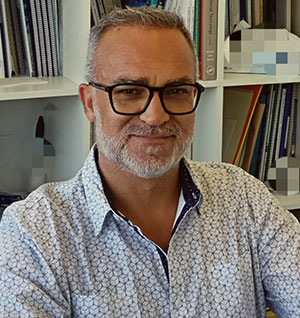
Joao Paulo Teixeira
National Institute of Health Dr. Ricardo Jorge (Portugal)
Inside the fire: advancing human biomonitoring in firefighters
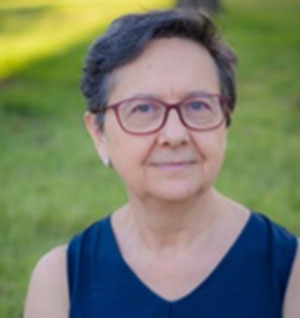
Maite Roldán Arjona
University of Cordoba
Epigenetic and repair functions of DNA base excision

Mario Durán Prado
University of Castilla-La Mancha
When wonder materials meet DNA: graphene’s toxic and genotoxic footprint
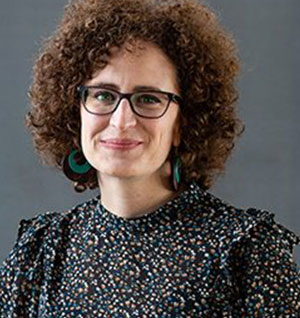
Diana Guallar Artal
University of Santiago de Compostela
Time written in RNA: The epitranscriptomic code of ageing
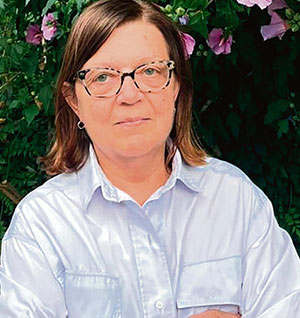
Laura Sánchez Piñón
University of Santiago de Compostela
Zebrafish as an animal model for biomedicine research
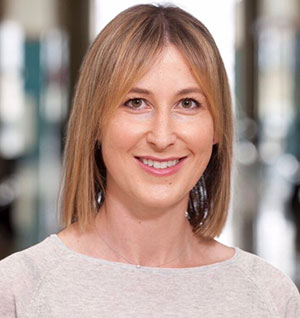
Verónica Bolón Canedo
University of A Coruña
AI for toxicology: in-silico tools to reduce experimental testing